
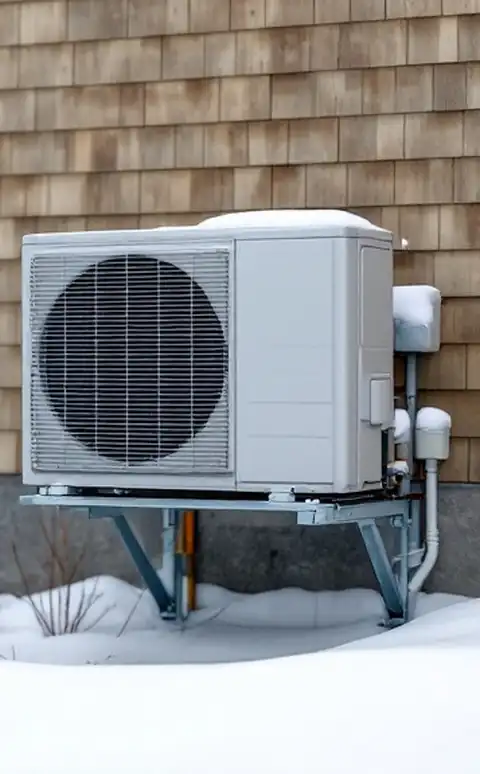
Warm in January, cool in July
Efficient heating built for Canadian winters, sized and installed by a licensed local installer. A strong fit for homes on oil or electric baseboards.
Independent. Not affiliated with any utility or with the Government of Canada.
- Licensed local installers
- No door knocking, no pressure
- Independent advice
- Local installers, province by province
It moves heat instead of making it
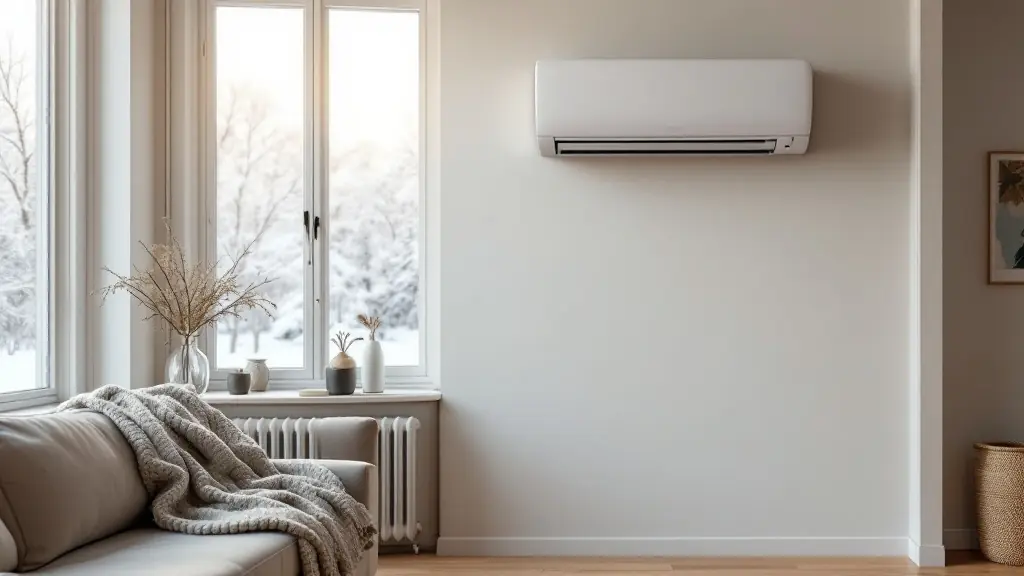
A heat pump pulls heat from the outdoor air, even on a cold day, and brings it inside. In summer it runs in reverse and cools your home. Because it moves heat rather than burning fuel or heating a wire, Efficiency Nova Scotia describes heat pumps as two to three times more efficient than other heating sources.
Cold-climate models are designed for winters like ours. Natural Resources Canada notes they can operate in temperatures as low as minus 30 °C, while many newer air-source units have a cut-off between minus 15 and minus 25 °C, below which a backup heat source takes over.
Sources: Efficiency NS, Natural Resources Canada
Four quick checks for a heat pump
These are the questions a licensed installer will ask first. None of them needs a site visit to start thinking about.
How you heat today
Oil furnaces and electric baseboards are where a heat pump usually changes the most. If you already have a heat pump, note that some rebate programs, such as Efficiency Nova Scotia's, do not apply to replacing one.
Oil or baseboards: strong fitYour winter bill
Compare a January bill with a July one. If winter usage is several times higher, electric heat is driving your costs and a heat pump has room to help.
Big winter jump: worth a lookInsulation and drafts
A heat pump works best in a home that holds its heat. A home energy assessment (in Nova Scotia, through Efficiency NS) shows where the heat goes and is often the first step for rebates.
Assessment before work startsThe age and layout of your home
Older homes without ducts suit ductless units, one or several heads. Homes with existing ducts may suit a ducted system. Panel capacity is checked either way.
Ducted or ductless, both workWhat the official numbers say
We do not publish a savings percentage. As Natural Resources Canada puts it, actual savings depend on your climate, your current system, the size and type of heat pump and how it is controlled. Your installer will give you an estimate for your own home.
Three steps, no obligation
From a quick quiz to a clear answer, without a salesperson at your door.
Take the 60-second quiz
Six quick questions about your home and your electricity bill. No address, no credit check.
Talk to a licensed local installer
They confirm your details, look at your roof and heating, and check which programs and incentives may apply to your home.
Decide at your own pace
You receive a clear recommendation and a written quote. You decide if and when to go ahead.
Free. Takes about a minute.
What homeowners say about our installers
Google reviews of the licensed partner installer who does the work. Names and sentences are exactly as written; a skipped sentence is shown as …
5.0 on Google80 reviews of our partner installer
They made the entire process easy and stress-free. The installation itself was smooth and efficient, and they explained everything clearly along the way. … The panels look great with clean lines, hidden wiring, and are functioning perfectly.
They took the time to analyze our energy setup and explain what made sense for us without trying to upsell gear we didn't need. The installation itself was incredibly smooth, and the crew was polite, on time, and highly professional.
When selecting a company to install a solar panel system, we invited site visits, discussion and quotes from five companies. Only two of these companies took the time and effort to come and see the location, including the unique construction of our timber frame roof.
After a few years of looking into solar power for my home I finally decided to get it done. … They did the work without complaint and answered all my questions completely.
Very knowledgeable and easy to deal with. They took the time to explain the whole process to my wife and I and that enabled us to make an informed decision
Licensed local installers
Every installation is carried out by a licensed, insured installer based in your region who knows local roofs, local winters and your utility's connection process.
No pressure, no door knocking
Nobody shows up at your door. We only call the number you give us, when you ask us to. No countdown offers, no "sign today" pricing.
Independent advice
We are not a utility, a government program or a manufacturer. If solar or a heat pump does not make sense for your home, you will hear it from us.
Frequently asked questions
Straight answers to what homeowners ask us most.
Will a heat pump keep my home warm at minus 20?
A cold-climate model sized for your home will carry most of the load. Natural Resources Canada notes that many newer units have a cut-off between minus 15 and minus 25 °C; below that, your existing heat or a backup element takes over for those hours. Your installer will plan for both. Source: NRCan.
Ductless or ducted: which do I need?
Older homes without ducts usually suit ductless units: an outdoor unit and one or more indoor heads. Homes with existing ductwork, for example from an oil furnace, may suit a ducted or centrally ducted system. The installer will look at your layout before recommending either.
Should I keep my oil furnace or baseboards?
Many homeowners keep their existing system as backup for the coldest nights, at least at first. Whether to remove an oil tank later is your decision; ask your installer how it fits with any program you apply to, since each has its own rules.
What heat pump rebates are open right now?
It depends on your province, and programs change. In Nova Scotia, for example, as of October 2026, Efficiency Nova Scotia support for heat pumps runs mainly through the Home Energy Assessment and the Moderate Income Rebate; the separate Home Heating System Rebates closed on December 31, 2025. Income-qualified homeowners may be eligible for HomeWarming. Provincial and utility programs differ elsewhere. Federally, the Government of Canada has announced a National Heat Pump Rebate, with details still to come. You may qualify, subject to eligibility. See our incentives page for official links.
Does a heat pump also cool my home?
Yes. The same system runs in reverse in summer and also removes humidity, which many homeowners appreciate in humid summers as much as the heat.
Do I need a Home Energy Assessment first?
Often, depending on the programs in your province. In Nova Scotia, for most Efficiency Nova Scotia rebates, yes, and before work starts. The program is open to homes over six months old where renovations have not begun; upgrades recommended by the energy advisor and completed within 12 months may qualify for rebates after a final assessment. Source: Efficiency NS.
See if your home qualifies
Take the 60-second quiz. A licensed local installer will call to confirm what applies to your home. Free, no obligation.
Check if your home qualifiesNo door-to-door sales. No pressure. If solar or a heat pump does not make sense for your home, we will tell you.