
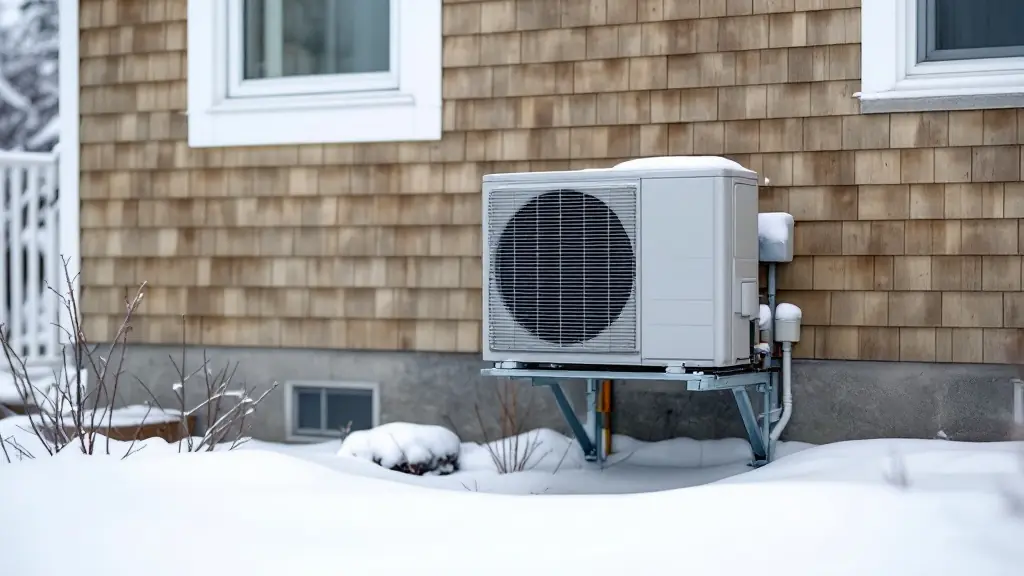
The most common question we hear about heat pumps is simple: will it keep my house warm in February? For a cold-climate model that is properly sized and installed, the answer for most Nova Scotia homes is yes, with a few things worth knowing in advance. Here is what a winter with a heat pump actually looks like.
How cold does it get, really?
Nova Scotia winters are damp and changeable more than they are extreme. At Halifax Stanfield airport, Environment and Climate Change Canada's 1981 to 2010 climate normals put the average January temperature at about minus 5.9 °C, with average daily lows around minus 10 °C. Cape Breton and inland areas run colder, and every winter brings a few nights well below that.
Those averages matter because they describe where your heat pump will spend most of its winter: a few degrees either side of freezing, which is exactly the range where it does its best work.
What "cold climate" means
A heat pump moves heat from the outside air into your home. Even at minus 15 °C, outdoor air still holds heat that the system can extract. Natural Resources Canada notes that cold-climate heat pumps can operate in temperatures as low as minus 30 °C. It also explains that many newer air-source models have a cut-off temperature, typically between minus 15 and minus 25 °C, below which a supplementary heat source is needed.
Efficiency Nova Scotia describes heat pumps as two to three times more efficient than other heating sources. Efficiency does drop as it gets colder, which is why sizing and backup planning matter.
Backup heat: not a failure, a plan
In most Nova Scotia homes, a heat pump is paired with some form of backup: the existing oil furnace, electric baseboards left in place, or an electric element in a ducted system. On the coldest nights, the backup covers what the heat pump cannot. A good installer will tell you which rooms might need help and at what temperature the backup is likely to start working.
Many homeowners keep their existing system for the first winter, see how the heat pump performs, and decide afterwards. That is a sensible approach.
Defrost cycles are normal
When it is near freezing and damp, frost builds up on the outdoor unit. Every so often the system runs a short defrost cycle: the fan may stop, you may see a cloud of vapour and hear a whoosh. Indoor air may feel cooler for a few minutes. This is normal and is not a sign of trouble.
Snow and ice around the outdoor unit
- Keep it raised. Outdoor units are usually mounted on a stand or wall bracket above the typical snow line, so snow does not block the coil.
- Mind the drip line. Avoid placing the unit under a roof edge where meltwater and ice fall onto it.
- Plan for drainage. Defrost water needs somewhere to go that will not freeze into a slab in front of a door or walkway.
- Clear gently. After a storm, brush snow away from around the unit. Do not chip ice off the coil.
Settings that work in winter
Heat pumps are most comfortable and efficient when they hold a steady temperature. Deep overnight setbacks, the habit many of us learned with oil furnaces, can force the system to work hard each morning and lean on backup heat. Ask your installer how to set the thermostat for your home and how the indoor heads should be positioned to move warm air where you live.
Comfort you may notice
Homeowners switching from baseboards often notice more even temperatures from room to room, because warm air is moved rather than rising from a hot strip along the wall. Those switching from oil notice the absence of fuel deliveries. And in July, the same system cools and dehumidifies.
What it costs to run
We do not publish a savings percentage, because there is no official figure for air-source heat pumps in Nova Scotia homes. As Natural Resources Canada puts it, actual savings depend on your climate, the efficiency of your current system, the size and type of heat pump and how it is controlled. Your installer can estimate this for your home using your bills.
Questions to ask before you buy
- Is the model you recommend rated for cold climates, and at what temperature does its output start to drop?
- Which rooms will it heat well, and which may need backup?
- Where will the outdoor unit go, how high, and where will defrost water drain?
- What should I keep as backup heat, and how will the two systems work together?
- Does my electrical panel have room, or will it need an upgrade?
- Which programs might apply, and do I need a Home Energy Assessment before any work starts?
On that last point: the federal government has announced a National Heat Pump Rebate, and Efficiency Nova Scotia offers programs through its Home Energy Assessment and income-qualified streams. You may qualify, subject to eligibility. Our incentives page keeps a dated summary with official links.
Sources
- Environment and Climate Change Canada, Climate normals 1981 to 2010, Halifax Stanfield (January)
- Natural Resources Canada, Find facts about electric heat pumps
- Natural Resources Canada, Heating and cooling with a heat pump
- Efficiency Nova Scotia, Heat pump programs and rebates
- Government of Canada, One million home energy retrofits (National Heat Pump Rebate)
Programs and their rules change. Your installer will confirm what applies to your home at the time of your project.